


One thing people often ask you when you’re pregnant is “What are you craving?” They assume you’ll say pickles, or milkshakes, or confess to something weird like cheese dipped in peanut butter. I actually kind of hoped for pregnancy cravings, because that would at least solve the question of what to eat during a time when I was usually feeling both hungry and nauseous. Like in the movies, I pictured sending my husband Alex on middle-of-the-night runs for a specific restaurant dish (“The lasagna from that place on 84th street!!”), possessed by a need for that one thing I had to have or else.
Fortunately for him, nine months came and went without any such visions. As a culinary writer and producer, I am normally very excited about eating, and it was destabilizing to lose my passion for something I consider so central to my identity. Even when I could keep it down, food just didn’t taste as good.
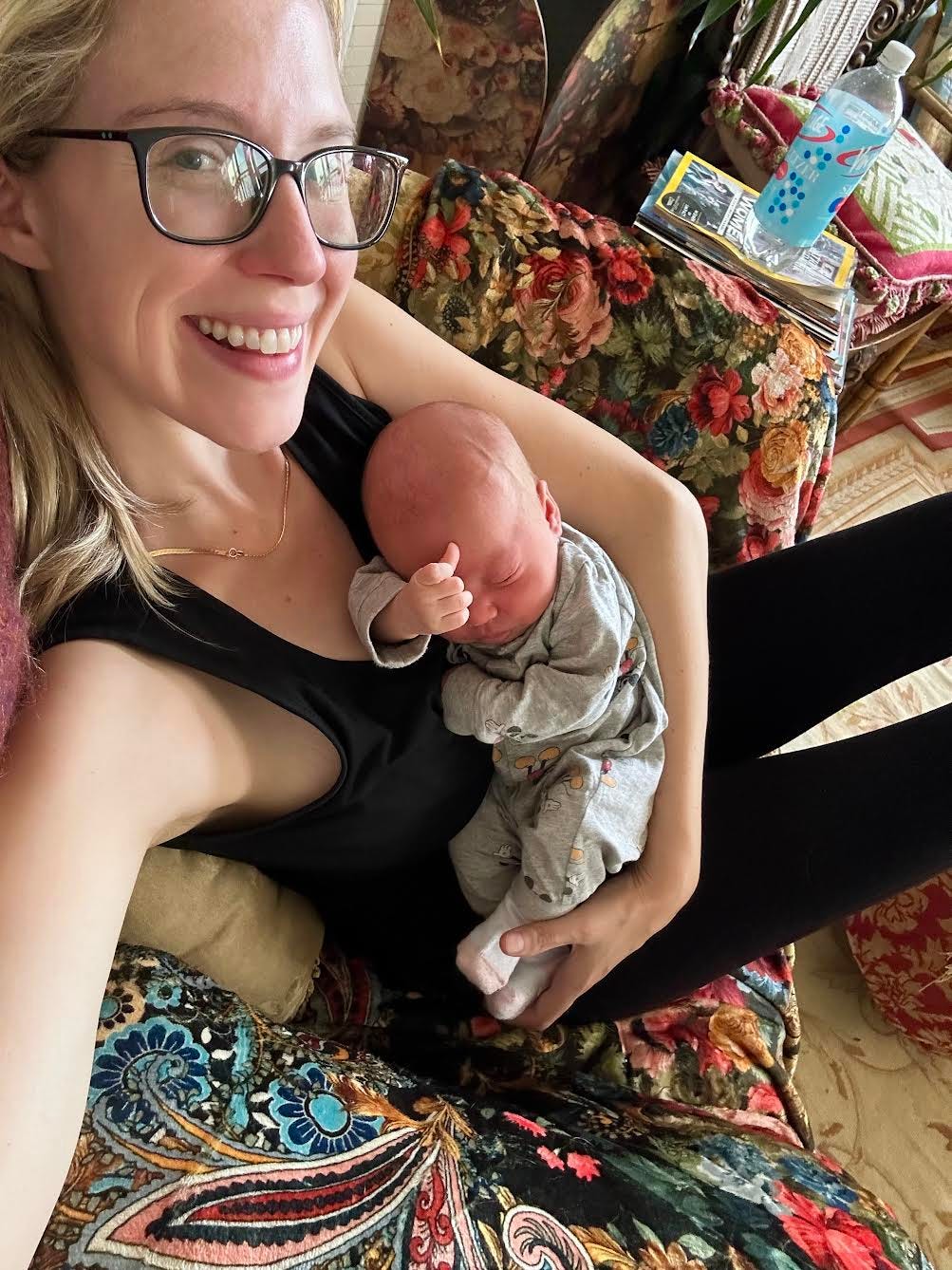
Postpartum, breastfeeding and no longer constantly throwing up, I expected my appetite to come roaring back. But deciding what to consume several times a day still felt oddly like a chore. Alex and I were staying at my mom’s house, where she was doing her best to keep us fed. In the morning she presented me with huge bowls of oatmeal with berries and nuts. Then she’d get busy making provisions for the rest of the day. There were platters of Dijon-crusted salmon, big tubs of chicken salad with celery and apples, stockpots full of split pea soup with ham.
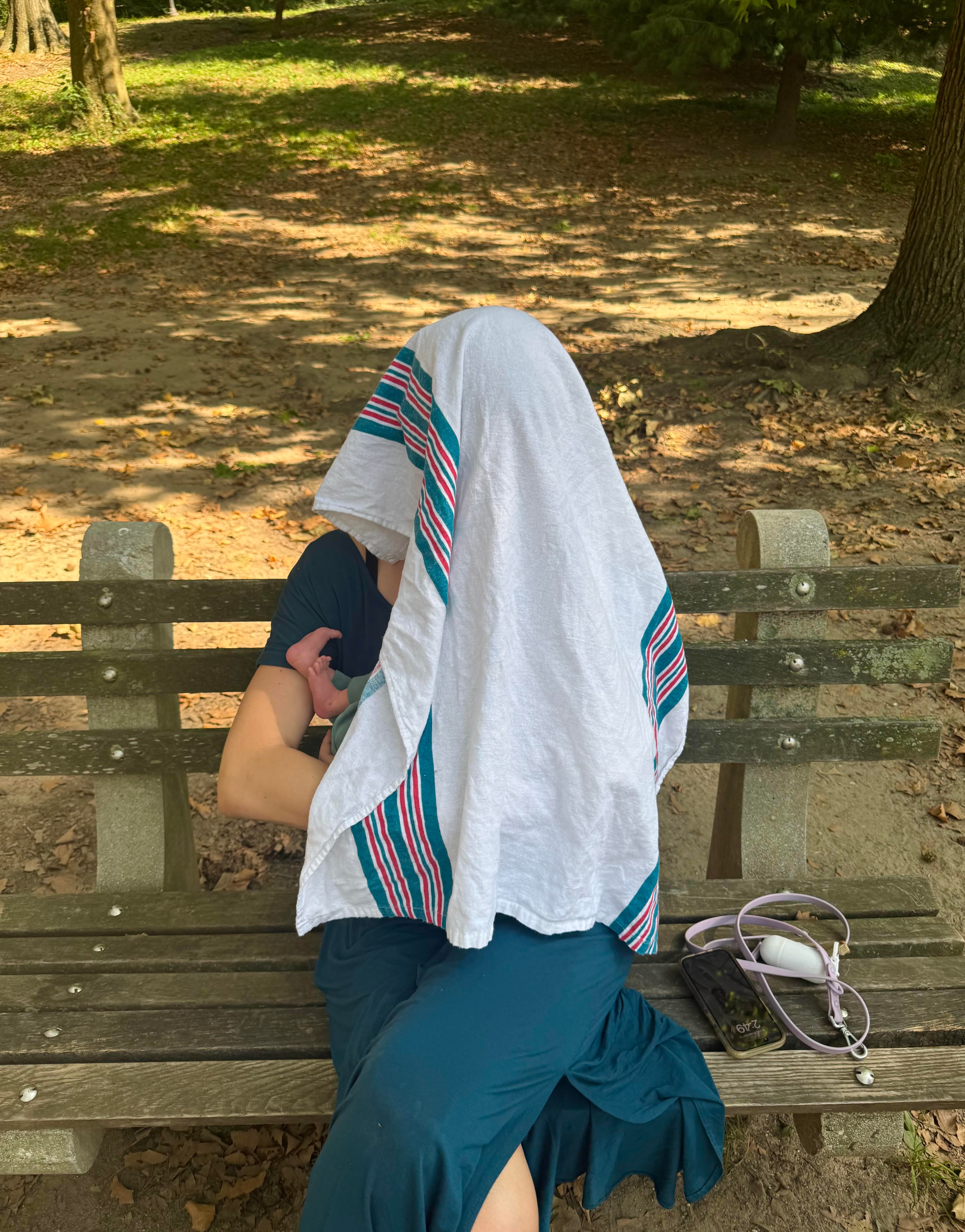
I ate it all gratefully, knowing it was good for me and our newborn, but still not relishing my meals the way I was used to. Eventually she floated the idea of takeout– “Anything you’re in the mood for.” Suddenly I could see it: I wanted spicy Thai food, khao soy or some type of coconut curry situation from our local spot. Mom looked aghast. “You can’t have that,” she said. “Spicy food could upset the baby’s stomach.”
This was news to me– and Alex, who, thrilled I finally had a request, jumped to my defense. Before I knew it, they were arguing about what I was “allowed” to eat. My mom insisted that when she was nursing my brother and me, she had been under strict orders to avoid spicy food and strong flavors like garlic and onion. Alex’s mom is Korean, and he had a hard time believing that she would have done the same. Perhaps what American women had been told in the ‘90s was outdated… or culturally, uh, myopic. Of course cultures with very different ideas about what constitutes “healthy” food would have different approaches to the postpartum diet. “You think Korean women give up kimchi and gochujang?” he asked. “There’s no way.”
Before things got any spicier between the three of us, Alex and I retreated to our room and furiously started investigating whether there was any truth to her claims. In her bedroom, my mom was obviously doing the same.

In the interest of diplomacy, I’ll let this fascinating NIH study do the talking: “Literature review identified no foods that mothers should absolutely avoid during breastfeeding unless the infant reacts negatively to the food.” In fact, the changing flavors of a mother’s breast milk can apparently be “exciting” for a baby, in contrast with formula that always tastes the same. Some women with colicky newborns do find that particular things seem to cause indigestion, but the study concluded that “most mothers restricted certain foods unnecessarily.”
Talking it out once we’d cooled down, my mom lamented the bland diet she’d subjected herself to on my behalf. I appreciate her dedication to doing what she thought was best for me at the time, but decided this was one maternal sacrifice I wasn’t going to make if I didn’t have to.
Dinner that night was deliciously pungent khao soy with a side of ungrateful daughter.
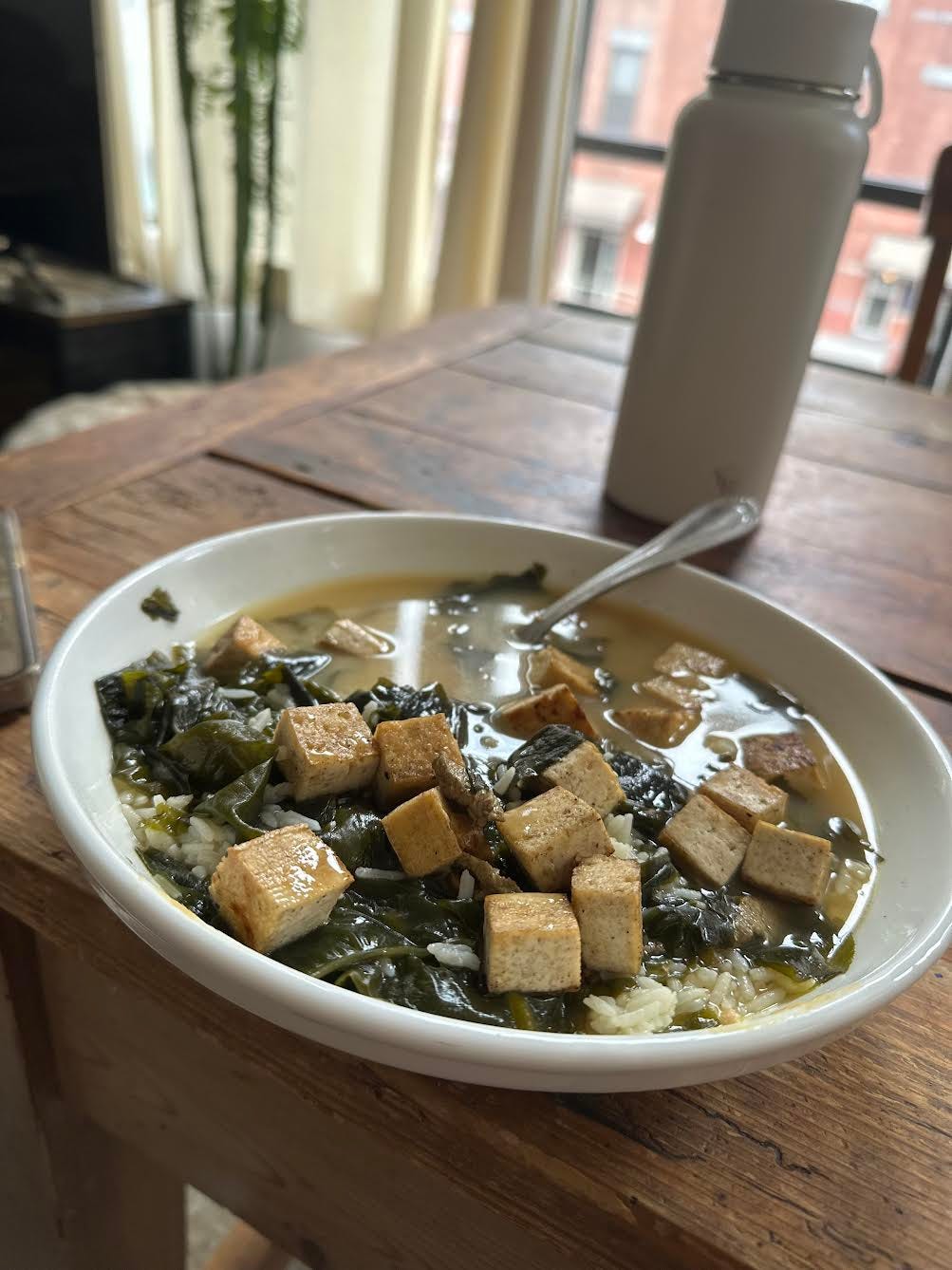
Back in our own home a few weeks later, Alex’s mom, who knew nothing of our debate, came to visit bearing miyeokguk she’d made from scratch. Miyeokguk is a seaweed soup, bursting with umami from garlic and fish sauce, that has been a staple meal for postpartum moms in Korea for hundreds of years. All the women in their family swore by it. Rich in nutrients with myriad health benefits, it’s believed to restore strength to a mother’s healing body, in addition to helping with lactation. Since it’s traditionally eaten multiple times a day after childbirth, miyeokguk is also known as “birthday soup.” Men and women enjoy miyeokguk as a celebratory meal throughout their lives.
Alex was excited for some good Korean home cooking. My mother-in-law reached into the insulated bags she’d brought all the way from her house in Virginia, unloading big containers of the special soup I’d heard so much about. “Don’t worry,” she said as she ladled up a bowl and handed it to me. “I didn’t make it with any garlic or fish sauce. It’s more bland than it should be, but you can’t have strong flavors while you’re breastfeeding.”
Hilarious and brilliant. Not only on the subject of cross-cultural folk wisdom, but on how Moms are always right -- even when they're not...
Baby girl is soo fucking cute I can't get over it 💕